

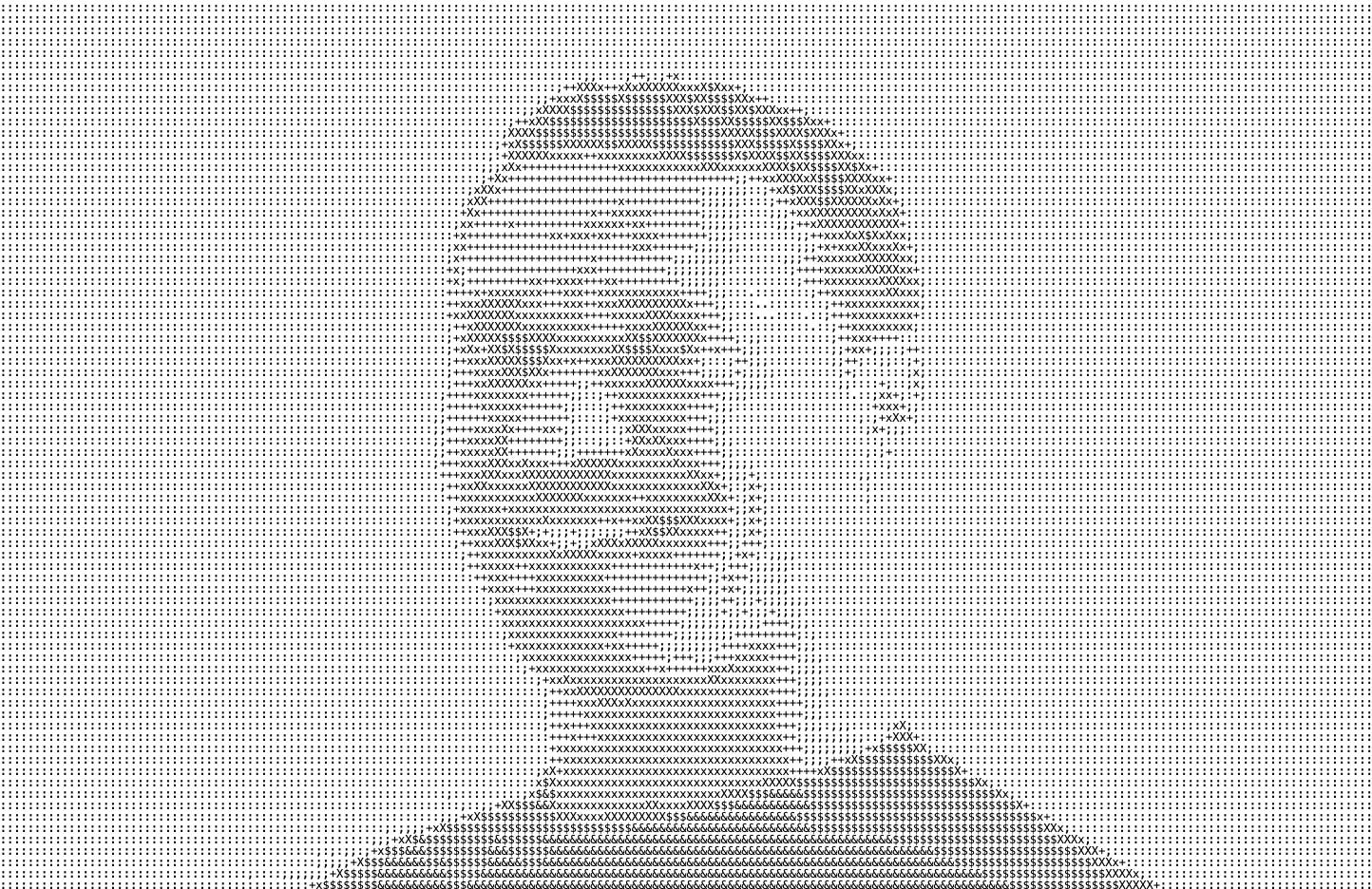
Jacob Heftmann is a designer, teacher/coach, and Co-Founder of XXIX and Index. He’s currently the Graphic Design Director at Grilli Type and co-host of Works But Makes Noises. In this interview, he discusses the challenges of agency life, changes he implemented in his studio to prioritize health, the importance of self-initiated projects, and the evolving role of the designer.
Interview by Jonah Ginsburg, Director of DesignLabs.
Words from the interviewer are in bold italics.
JG: You’re a designer who thinks a lot about design as a discipline, and you help other designers build healthier and more fulfilling careers for themselves. When did you start reflecting on the discipline of design itself and all the ways it could improve?
JH: It started in agency life. The stress, long hours, deadlines, disorganization. There were great things too, and I learned a ton, but there were also things that made it very challenging. I thought that if I started a studio, I’d want to try and fix all the things that I thought were solvable. This led to a kind of manifesto that Jake Hobart and I developed, outlining what we would do differently. And we started to try and implement those things in our own studio.
It’s a process. You implement changes, some don’t work, it’s not as easy as you thought. You understand why certain things existed in the first place, but it’s a work in progress.
That was the first step towards thinking about this stuff. The second step was much more acute. I had a very severe panic attack completely due to work. It put me in bed for a week. I couldn’t get up. I’d never experienced anything like that. It was physically debilitating. I couldn’t work.
Luckily, Jake was super supportive. He ran the studio when I was out. I never had serious issues with mental health before that, and I suddenly felt like I needed to figure this thing out because I couldn’t put myself in that situation again. And I didn’t want it to happen to someone else in my studio. So, how could we build a healthier working environment? From that point basically that became my mission. Before that I would work super long hours, stressing over every single pixel. “Work brain” all the time. Work was the thing I thought was most important. And then I kind of reversed it and health became the most important thing, and if your health is good, your work will be good. It was a complete mindset shift.
JG: What changes did you guys implement in your studio to make things more healthy? And when did you start teaching other designers?
JH: I started teaching at about the same time that I had that episode. So how I thought about the studio was very similar to how I thought about a classroom in that you can do better or worse in school, but no good teacher would make you feel like you were in trouble for learning and making mistakes. And that’s kind of the vibe that I wanted to build in the studio. That’s one way that you can feel less stressed at work. But it was a whole bunch of different things that we wanted to do, ranging from small ones like leaving Slack for a messaging platform that doesn’t ask to be checked constantly, to profit share, which is one of the biggest things we did. All of the profit at the end of the year would go back to all of the employees. So there was never this feeling of “I’m working until 10:00 p.m. so someone else can get rich.”
Typically we say no work at night, no work on weekends, change the deadline. That was sort of the mantra of the studio. But if you decide to work because you want it to be absolutely perfect, at least you’re sharing in the profit from doing that and it’s not going to someone else. And that really changes the whole dynamic. So it wasn’t one thing. We were systematically looking at every assumption that every agency makes and really questioning each one.
JG: What about the role of non-client work? Client projects often don’t fully scratch the creative itch that most designers have. You guys have all these amazing self-initiated projects, almost always community oriented. How might that kind of work help make a career more fulfilling? And how would you suggest others start their own projects?
JH: Yeah, that’s a very good observation. I think another big stressor is how much do you love what you’re doing? Working two hours on something you hate is stressful. Working 12 hours on something you’re passionate about is fulfilling. So making sure that the types of projects that we take on in the studio are ones that the designers are actually interested in is a big way for people to actually enjoy working. And part of that is these side projects which become parts of the business, like Index for example. We didn’t have any money to do conventional marketing when we started the studio and we had all of these interests and curiosities. We were like, what if our studio was a shared working space, instead of marketing with ads or something. And we didn’t have a ton of work at the time so we could just make stuff and see how it landed. We did this studio exchange network and we built a little app for managing emails. Some of them hit and some of them didn’t. Index was one that hit and stuck around. That was our form of basically getting our name out there. Dropbox came to us because they saw the design we did for the studio itself with variable typography before variable fonts were out. That was basically how we got our clients, through experimentation.
I would say if you’re getting started in your career or if you’re looking for clients, unconventional means, just making things that feel authentic and that represent your interests, are a great way to do it.
JG: How has the role of the designer changed in recent years? How do you expect it to change in the future?
JH: That’s a big question, and I think everyone has their own thesis on it. I’d probably feel differently if I were just starting my career, but looking back, I got into design because I believed the iPhone would be a game-changer. That prediction was right, it changed the world, but I didn’t foresee that twenty years later, I’d be on the other side of it. I now feel that the iPhone has been quite damaging to our attention and our mental health. I’ve come full circle: I started out excited about technology, but now I’m skeptical. Is Airbnb actually good for cities? Are phones good for our brains?
We’re seeing a shift in large tech companies, and I find myself wondering if we are building products that help people or hurt them. It’s a mix, of course. There is always a cost-benefit to how technology is used, but I am much more conscious now of where I put my time and energy. I see everyone clamoring to do AI work, and it feels like we’re all frogs, the water temperature is rising, and by building this stuff we might be the ones accelerating the boil.
Personally, I feel a sense of unease about the role of the designer in this environment. We live in an economic system where we have to work, so how much agency do we really have in these decisions? Design has grown incredibly, designers are starting companies and sitting at the top of organizations. Design is recognized as a major differentiator now, but that comes with a lot of responsibility.
Design used to be a trade, almost a blue-collar job related to printing. Now it’s a prestigious white-collar profession. I wonder if our expectations of “what design means” have become inflated and if we might eventually return to a simpler place. There is a ton of uncertainty, and I feel a fair amount of anxiety about it.
As I move into the next phase of my career, I’m asking myself personal questions: I built my early career through connections on Twitter, but I don’t want to participate in that platform anymore. So, what is the community-building tool now? How do we make those connections today? Then there are the macro questions around AI. It’s on every designer’s mind. I get emails from students who are worried, and it’s not just a prediction anymore. They are seeing the effects on the job market in real-time. It’s an interesting and difficult moment.